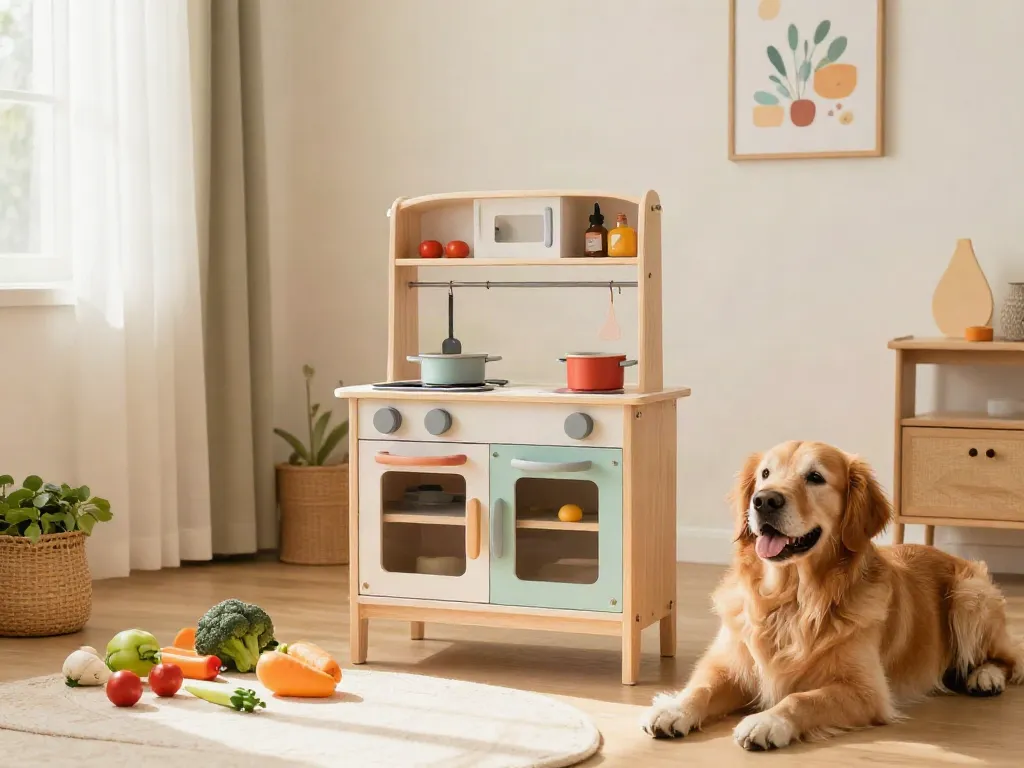
The Benefits of Play Kitchens for Child Development
Play kitchens are more than just toys; they are essential tools that contribute significantly to a child's development. Engaging in pretend play with a play kitchen encourages children to explore their creativity, develop social skills, and enhance their fine motor abilities. By simulating real-life scenarios, children learn through play, making it an invaluable part of their growth.
Fostering Imagination and Creativity
One of the most significant benefits of play kitchens is their ability to spark imagination. When children pretend to cook, bake, or serve food, they create scenarios that reflect their world or even fantastical settings. This imaginative play allows them to express their thoughts and feelings creatively, improving cognitive skills and problem-solving abilities. For example, a child might create a scenario where they are running a restaurant, which could lead to storytelling and narrative development.
Enhancing Social Skills through Role Play
Play kitchens provide an excellent platform for children to engage in role play, which is crucial for developing social skills. When children play together, they learn to negotiate roles, share resources, and practice communication. Collaborative play encourages empathy as children must consider the perspectives of their peers while they engage in cooking and serving. These interactions foster teamwork and can later translate into better social interactions in school and other group settings.
Promoting Fine Motor Skills and Coordination
Using a play kitchen involves various physical activities such as chopping, stirring, and serving, which help enhance fine motor skills and hand-eye coordination. As children pick up utensils, manipulate food items, and interact with different kitchen appliances, they practice and strengthen the muscles in their hands and fingers. This foundational skill set is integral not only for future cooking activities but also for tasks like writing and other hands-on learning experiences.
Choosing the Right Play Kitchen
When selecting a play kitchen, it's vital to consider several factors to ensure that the choice aligns with your child's interests and developmental needs. The options are vast, ranging from compact models for small spaces to elaborate setups designed for immersive role play.
Factors to Consider: Size, Material, and Features
Size is a primary consideration. Ensure the play kitchen fits in the designated play area without overwhelming the space. Additionally, consider the materials used; wooden kitchens often offer durability and a classic aesthetic, while plastic sets might provide cost-effective, lightweight options. Look for features that mirror real-life kitchens, such as cabinets, pretend appliances, and sinks, which enhance the play experience.
Top Brands and Models for 2026
Several brands are renowned for producing high-quality play kitchens. Some of the top choices for 2026 include:
- KidKraft: Known for stylish and durable designs that cater to various themes and sizes.
- Step2: Offers robust kitchens with interactive features and sound effects, making playtime even more engaging.
- Tiny Land: Specialises in beautifully crafted wooden kitchens that are both aesthetic and functional.
Comparing Wooden vs. Plastic Play Kitchens
Both wooden and plastic play kitchens have their unique advantages. Wooden kitchens tend to be sturdier and offer a classic feel, often appealing to parents who value sustainability. However, plastic kitchens are typically more affordable and lightweight, making them easier to move and clean. Ultimately, the decision should reflect both the child's preferences and the family's values regarding durability and aesthetics.
Engaging Accessories to Enhance Play Kitchen Experience
To maximise the play experience, consider adding accessories that complement the play kitchen. These can expand the range of imaginative scenarios your child can create and significantly enhance the value of their playtime.
Essential Cooking Tools and Utensils
Stocking your child's play kitchen with essential cooking tools such as pots, pans, utensils, and dishware is crucial. Look for sets that include realistic items, like chef hats and aprons, to create a more immersive experience. Additionally, consider interactive items that make sounds or have light features for added excitement during pretend cooking sessions.
Creative Food Play: Toy Ingredients and Sets
Food play sets can introduce a variety of food types, from fruits and vegetables to baked goods. These sets not only enhance the imaginative aspect of cooking but also offer learning opportunities regarding food groups, nutrition, and cooking processes. Children can learn about healthy eating habits while having fun making pretend meals.
DIY Accessories: Crafting Your Own Kitchen Tools
Encouraging children to create their own accessories can further enhance their play experience. Simple DIY projects, such as crafting pots from cardboard or making utensils from clay, can foster creativity and resourcefulness. These activities can also be a great way for parents to engage with their children, creating lasting memories together.
Incorporating Learning into Play: Educational Games and Activities
Play kitchens can serve as an educational tool, providing opportunities to combine learning with play. They can enhance various cognitive skills through themed activities that integrate lessons in maths, science, and literacy.
Cooking-Themed Math and Science Activities
Using the play kitchen, parents can introduce basic math concepts such as measuring ingredients, counting items, and understanding proportions. Science experiments, such as observing how ingredients combine or change when cooked, can make learning about reactions and states of matter fun and interactive.
Storytelling and Cooking: Linking Books to Play
Linking storytelling to playtime can enrich the experience. Choose books related to cooking or food and encourage your child to act out scenes from the stories using their play kitchen. This approach enhances literacy skills and promotes a love of reading while allowing for creative expression through role play.
Play Kitchen Social Events: Birthday Parties and Group Activities
Play kitchens can serve as the centrepiece for social events like birthday parties, providing fun activities that engage all the children present. Group cooking games or collaborative meal preparation can teach teamwork and social interaction skills while creating a festive atmosphere.
Future Trends in Play Kitchens: What to Expect in 2026 and Beyond
As we move towards 2026, the play kitchen landscape is evolving with trends that reflect shifts in parenting, environmental consciousness, and technological advancements.
Sustainability and Eco-Friendly Materials
There is a growing demand for sustainable products, and play kitchens are no exception. Brands are increasingly using eco-friendly materials, such as sustainably sourced wood and non-toxic paints, to appeal to environmentally conscious parents. Look for certifications or labels that indicate a commitment to sustainability when shopping for play kitchens.
Technology Integration: Smart Play Kitchens
Expect to see more technology integrated into play kitchens. Smart kitchens with features like touch-sensitive surfaces, interactive cooking games, and compatibility with apps can add an educational dimension to play. These innovations can help children learn about technology while engaging in imaginative play.
Gender-Neutral Designs and Inclusive Play Options
The trend towards gender-neutral designs is shaping the future of play kitchens. More brands are focusing on inclusive play options that encourage all children, regardless of gender, to partake in cooking and role-playing. Look for kitchens that offer diverse themes and colour schemes to cater to all interests.
What Age Should a Child Get a Play Kitchen?
Typically, children start engaging in pretend play by the age of 2. By this age, they can begin to understand simple scenarios and enjoy the tactile experiences that a play kitchen offers. However, as they grow, the complexity of their play will evolve, so selecting a kitchen that grows with them can be beneficial.
How Much Does a Play Kitchen Cost?
The cost of play kitchens varies widely based on size, materials, and features. You can expect to pay anywhere from £50 for basic plastic models to several hundred pounds for high-quality wooden sets with multiple features. It's essential to assess your budget and your child's play needs when making a decision.
Is It Worth Getting a Play Kitchen?
Investing in a play kitchen can provide immense value in terms of developmental benefits. Not only does it encourage imaginative play, but it also fosters social skills, language development, and fine motor abilities. Considering these advantages, most parents find that the benefits far exceed the cost.
Which Play Kitchen Is the Best?
The best play kitchen will depend on your child's specific interests, your budget, and available space. However, brands like KidKraft and Step2 are often recommended for their durability and engaging features. Reading reviews and comparing models can help you find the best fit for your child's playtime needs.